Private by Default: Be Careful Sharing Detecting Locations
Why detectorists should keep their sites private — landowner trust, site preservation, theft risk — and how local-first logging protects your spots.
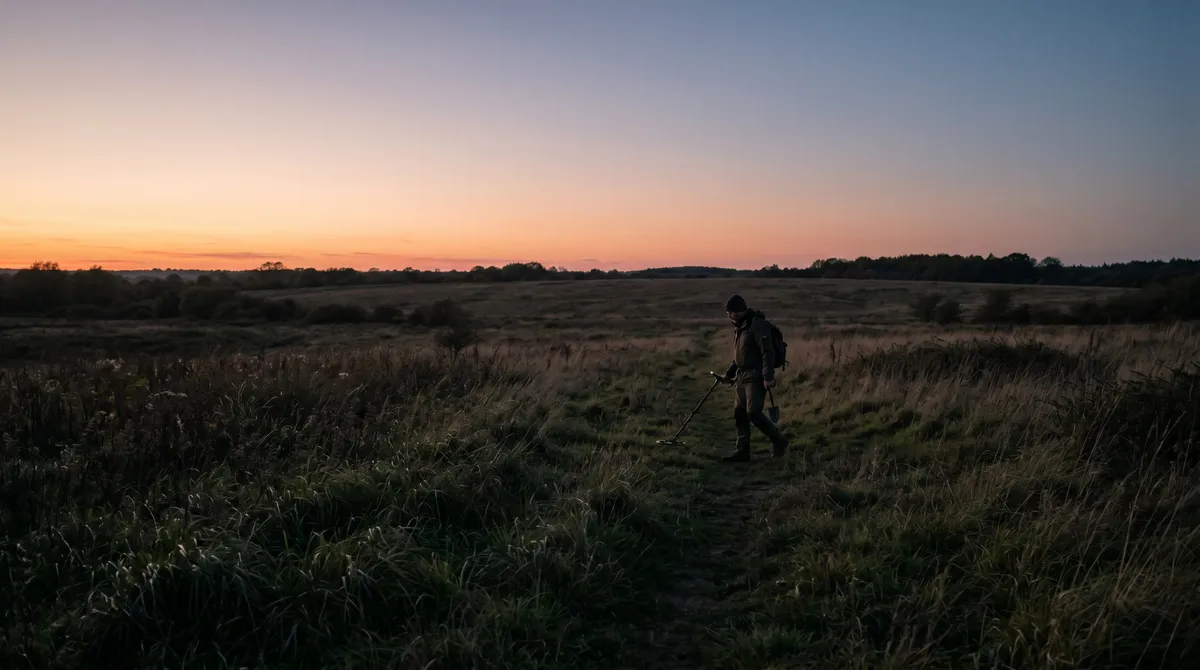
Ask an experienced detectorist where they found their best piece and watch them smile and change the subject. It’s not rudeness. It’s one of the oldest, most sensible habits in the hobby. Your locations are sensitive information, and treating them that way protects your finds, your access, and the sites themselves.
Here’s why privacy matters, and how to keep your spots yours.
Why detectorists guard their sites
There are real reasons the good ones stay quiet:
- Landowner trust. A landowner gave you permission, not the internet. Broadcast their land and you’ve broken the trust that got you access — and probably lost it.
- Site preservation. A productive spot shared widely gets hammered. What took you months to find can be stripped in a weekend by people who saw your post.
- Theft and safety. Publicly tying yourself to valuable finds and exact locations invites attention you don’t want.
- Sensitive ground. Some sites carry heritage significance. Publicising them can put protected history at risk and invite illegal digging.
None of that is paranoia. It’s just respecting that a location is the most valuable, and most exposable, thing you record.
Private logging vs public posting
There’s a clean line worth drawing. Logging your sites — for your own use, kept private — is one of the smartest things you can do. Posting your sites publicly is one of the riskiest. The two get confused because both involve recording a location, but their consequences are opposite.
A good private log makes you a better detectorist: you remember your GPS pins, revisit productive ground, and build patterns over time. A public post mostly just gives your hard-won spots away.
So log everything. Share almost none of it.
Local-first is the safe default
The safest place for your locations is your own device, not someone else’s server by default. That’s a deliberate design choice in DetectingLog, and it’s the whole privacy model:
- Local-only by default. Your hunts, pins, and finds live on your device. Nothing is uploaded unless you choose it.
- Guest mode. You can use the app fully without even creating an account — no login, no cloud, no exposure.
- Optional cloud sync. If you want backup and multi-device access, sync is opt-in and protected so only your account can read your data.
- No social feed. There’s nowhere for your spots to leak. The app isn’t built to broadcast — it’s built to remember, privately.
- You control deletion. Remove your cloud data whenever you want.
That combination means your best sites stay secret by default, not because you remembered to lock something down.
If you do choose to share
Sometimes you’ll want to show a find — and that’s fine. Just separate the what from the where:
- Share the find, skip the exact location.
- Crop out identifiable landmarks and signs.
- Strip location data from photos before posting.
- Never name a private landowner’s property publicly.
You can be part of the community without handing over your coordinates.
The bottom line
Your best spots took effort to find and trust to access. Keep them private, log them somewhere that’s private by design, and share finds without giving away ground. Your sites — and the landowners who trust you — stay protected.
Frequently asked questions
Why do metal detectorists keep their locations secret?
To protect landowner trust, preserve productive sites, and avoid theft or unwanted attention. A site shared publicly can be stripped by others, get a landowner's permission revoked, or expose sensitive heritage ground. Privacy protects both your finds and your access.
Is it safe to store detecting locations in an app?
It depends on the app. DetectingLog stores your locations on your device by default and never publishes them. Cloud sync is optional and protected so only your account can read your data. There's no social feed, so nothing is shared unless you deliberately choose to.
Should I post my metal detecting finds on social media?
You can — but leave the exact location out. Sharing a find is fine; sharing precise coordinates or identifiable landmarks can expose the site and breach your landowner's trust. Keep the where to yourself, even when you share the what.
Keep reading
Metal Detecting Data: Spot Patterns Across Your Hunts
Finds per hunt, keeper rate, top locations, VDI distribution, depth bands — here is how simple stats reveal patterns your memory would miss.
How to Document Finds with Photos, Notes, and Context
Good find records are worth more than the finds. Here is how to photograph, note, and contextualise your detecting finds — and why not to over-clean them.